Chicken decoded
Understand yield, labels, and the tradeoff between convenience and cost.
Chicken prices become easier to compare when you account for bone, skin, cooked yield, and the labor you are willing to do.
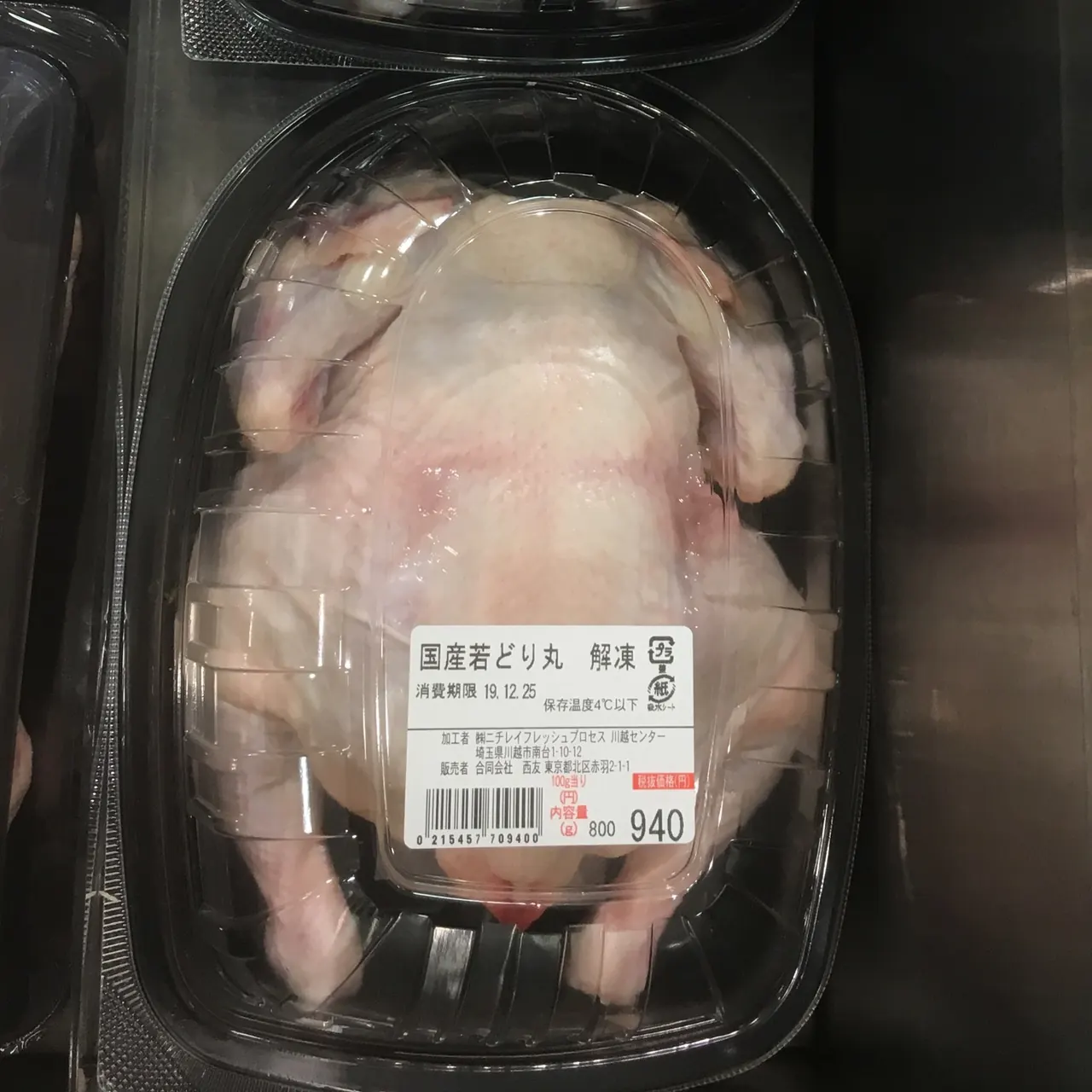
Scan first
Official safe-minimum boundaries for this species.
Method advice on this page does not replace a thermometer, package directions, or current official guidance.
Safe minimum internal temperatures for poultry
FoodSafety.gov Safe Minimum Temperature Chart (planning-cluster.json and beef-decision-system.json); accessed 2026-08-24.
| Product | Safe minimum | Rest or note |
|---|---|---|
| All poultry (including ground) | 165°F | Including ground poultry |
See the cut
Match the package to the method.
Representative photos for each decision guide—not live prices or tested products.
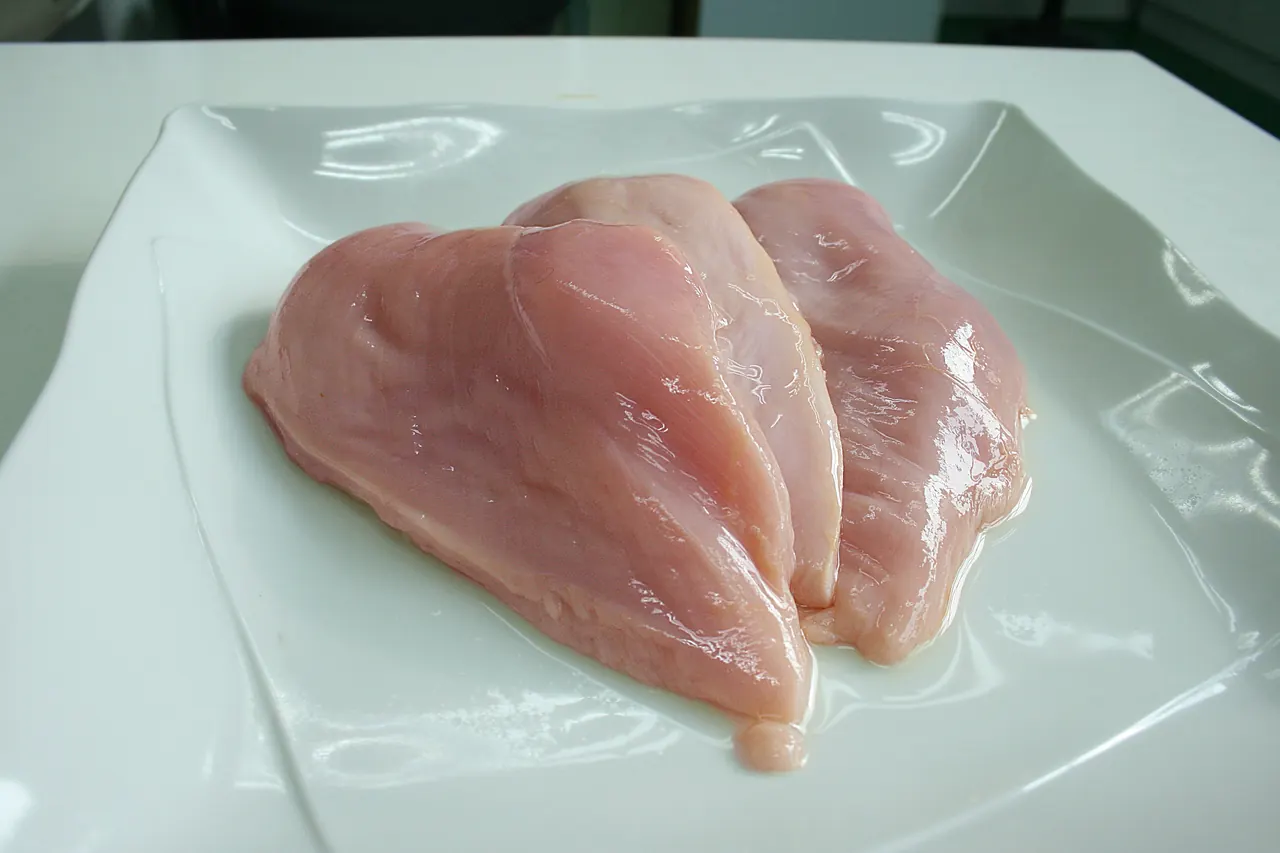
Compare equivalent packages
Flavor, forgiveness, and cooked yield—not shelf price alone.
When breakdown saves money
Every part needs a job before a whole bird beats packaged parts.
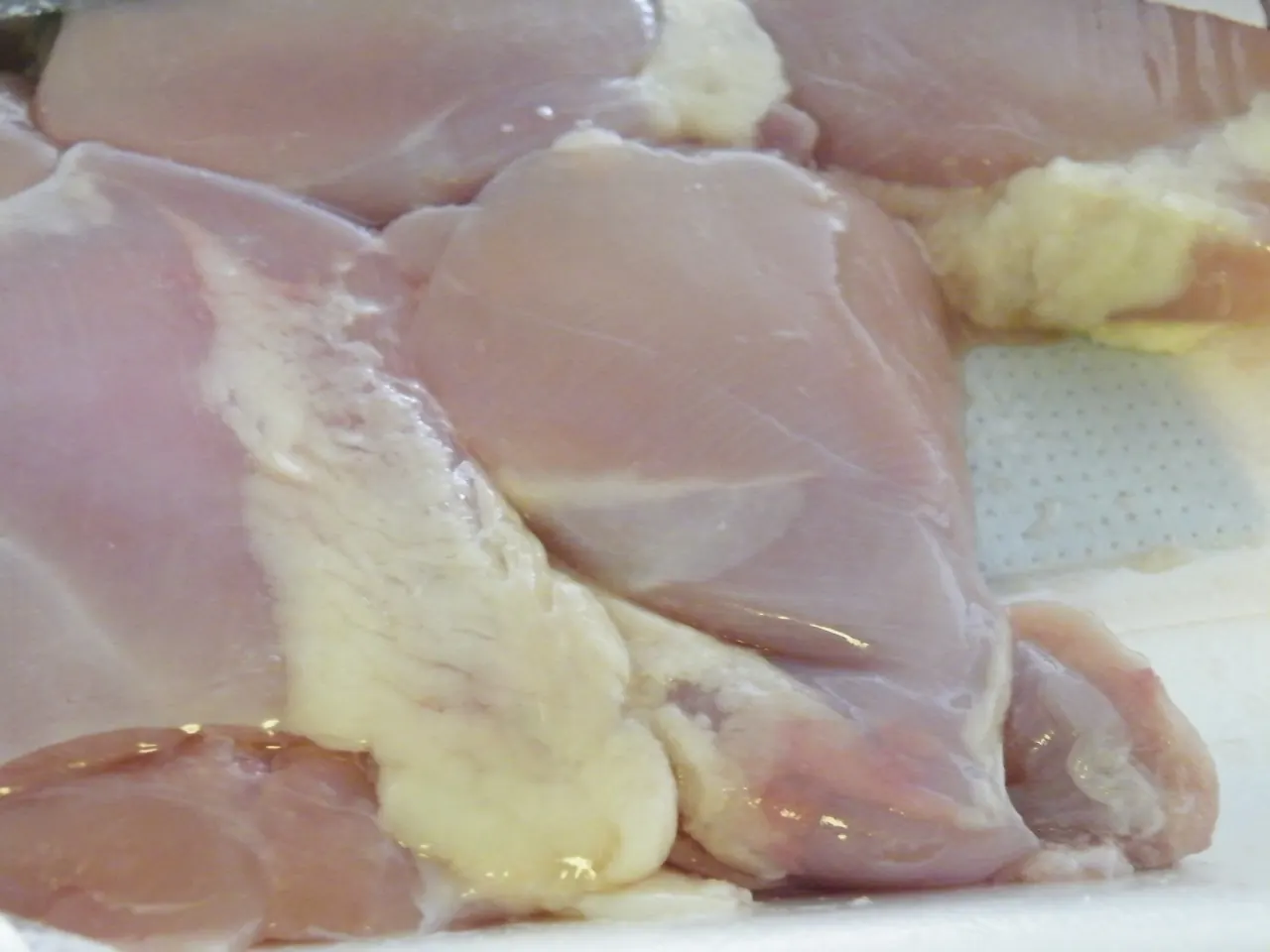
Read edible yield, not package pounds
Bone and skin change the comparison—count what your household eats.
Start here
Useful decisions, not filler.
Each guide connects the package label to yield, method, leftovers, or equipment choice.
Method advice does not replace a thermometer, package directions, or current official safe-minimum guidance.
Chicken Breast vs. Thigh: Which Is the Better Buy?
Compare chicken breast and thigh by flavor, forgiveness, cooked yield, and the meal you are making—not price alone.
Decision guideWhole Chicken vs. Parts: When Does Cutting It Yourself Save Money?
Compare a whole chicken with packaged parts using edible yield, labor, and whether you will use the carcass and less-popular pieces.
Decision guideBone-In vs. Boneless Chicken: Compare the Part You Eat
Learn when lower-priced bone-in chicken wins after accounting for edible yield, cooking method, and convenience.
Use the free meat calculators →
Common questions
Should I buy chicken breast or thighs?
Choose breast for lean, mild slices and recipes that need a neutral protein. Choose thighs for deeper flavor, a wider cooking window, and meals that must reheat well. Compare boneless with boneless or calculate the edible yield of bone-in packages before deciding which sale is better.
When does a whole chicken save money over parts?
A whole chicken saves money only when its effective edible cost beats the parts you would actually buy and you use most of the bird. If wings, back, skin, or stock bones go unused, a low whole-bird price can be misleading.
Is bone-in chicken always the better value?
Bone-in chicken is the better value when its lower shelf price survives the edible-yield calculation and your method benefits from the format. Boneless chicken can still win when speed, even portions, or low prep time prevent waste and takeout.
How do I compare chicken packages fairly?
Account for bone, skin, cooked yield, and the labor you are willing to do. Divide total package cost by the cooked edible pounds—not raw package pounds—to compare formats fairly, and use the true cooked-cost calculator when trim and shrinkage differ.