Pork decoded
Choose between lean quick-cooking cuts and collagen-rich cuts built for time.
Pork labels often hide a crucial choice: loin cuts want restraint, while shoulder cuts reward long cooking.
Scan first
Official safe-minimum boundaries for this species.
Method advice on this page does not replace a thermometer, package directions, or current official guidance.
Safe minimum internal temperatures for pork
FoodSafety.gov Safe Minimum Temperature Chart (planning-cluster.json and beef-decision-system.json); accessed 2026-08-24.
| Product | Safe minimum | Rest or note |
|---|---|---|
| Whole pork cuts | 145°F | Then rest at least 3 minutes |
| Ground pork | 160°F | Except ground poultry |
See the cut
Match the package to the method.
Representative photos for each decision guide—not live prices or tested products.
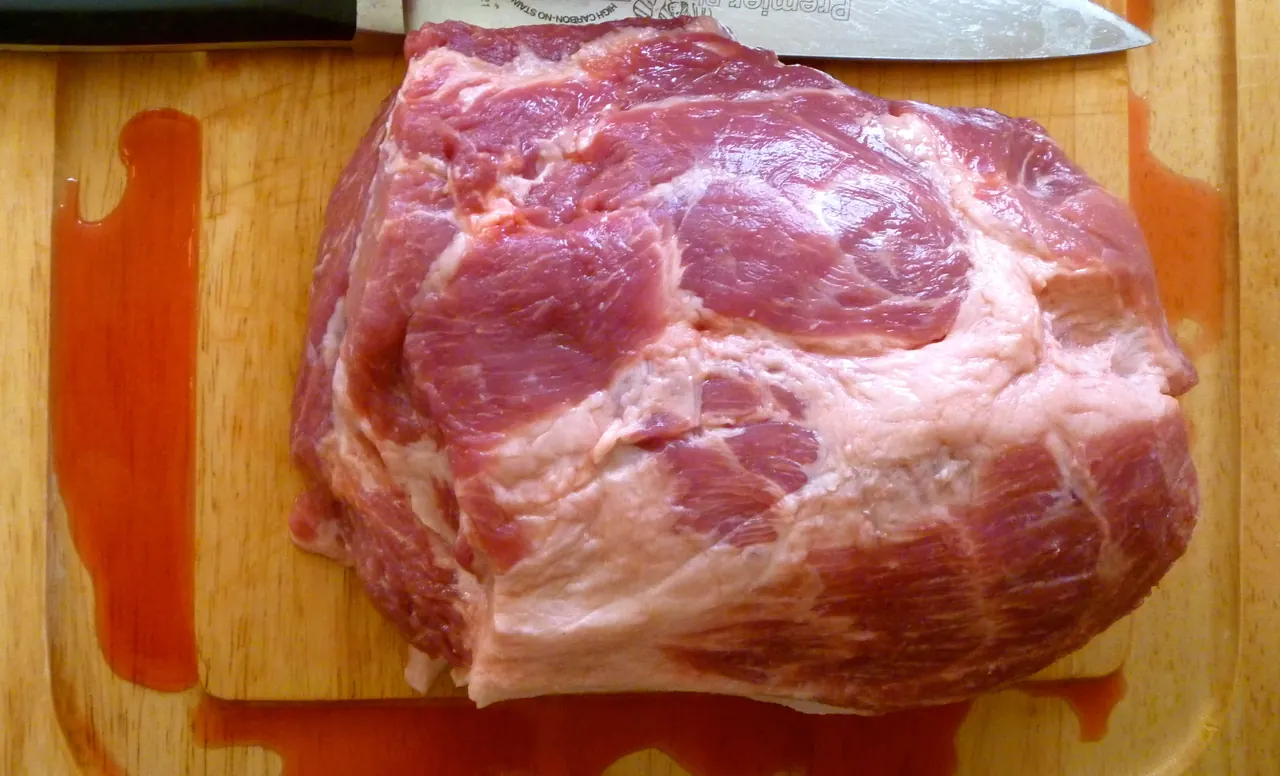
Do not cook them the same way
Shoulder rewards time; loin rewards tight temperature control.
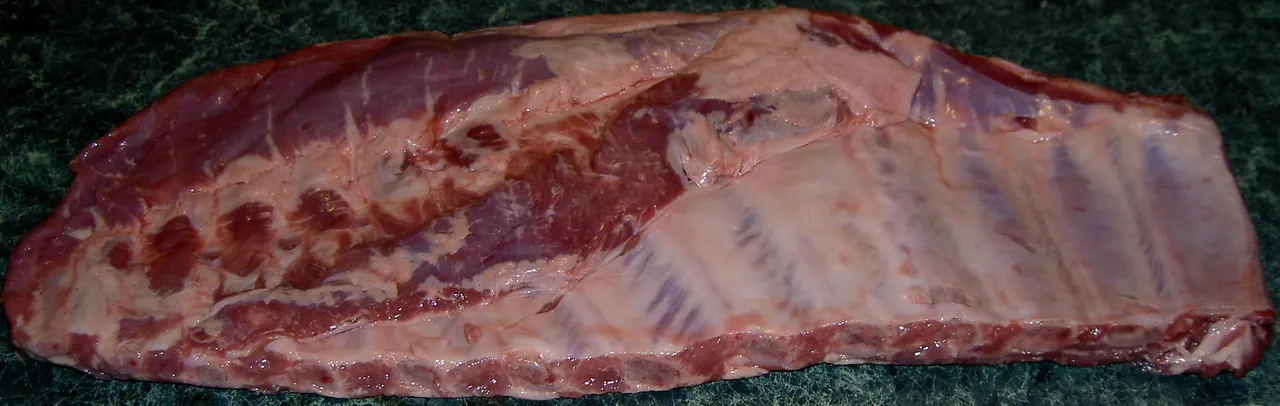
Baby back vs. spare ribs
Shape, bone, and trimming change cost per serving.
Plan pulled pork from the plate backward
Start with cooked ounces, then work back through bone and shrinkage.
Start here
Useful decisions, not filler.
Each guide connects the package label to yield, method, leftovers, or equipment choice.
Method advice does not replace a thermometer, package directions, or current official safe-minimum guidance.
Pork Shoulder vs. Pork Loin: Do Not Cook Them the Same Way
Choose pork shoulder for slow-cooked richness or pork loin for lean slices—and avoid the method mismatch that dries one or toughens the other.
Decision guideBaby Back vs. Spare Ribs: Price, Yield, and Cooking Differences
Compare baby back and spare ribs by shape, richness, bone content, trimming, and effective cooked cost.
Decision guidePulled Pork Yield: How Much Raw Shoulder Should You Buy?
Plan pulled pork by working backward from cooked portions through bone, trim, rendering, moisture loss, and desired leftovers.
Use the free meat calculators →
Common questions
Should I buy pork shoulder or pork loin?
Buy shoulder for pulled pork, braises, and forgiving batch meals. Buy loin for chops, medallions, and roasts cooked with tighter temperature control. Loin is not a lean substitute for shoulder in a long shredded-pork recipe.
Can pork loin make pulled pork?
It can be shredded, but its low fat and connective tissue make it less forgiving and usually less succulent than shoulder.
How much raw shoulder should I buy for pulled pork?
Start with the cooked ounces you want to serve, add planned leftovers, and divide by your expected cooked yield. A 50–65% cooked yield is a practical planning range for many shoulder purchases, but your package and trimming style can fall outside it.
How do baby back and spare ribs differ?
Choose baby backs for smaller, curved racks and a leaner, neater presentation. Choose spare ribs for richer meat, straighter bones, and often better raw pricing. Neither is automatically the better value because trimming and bone-heavy yield vary.