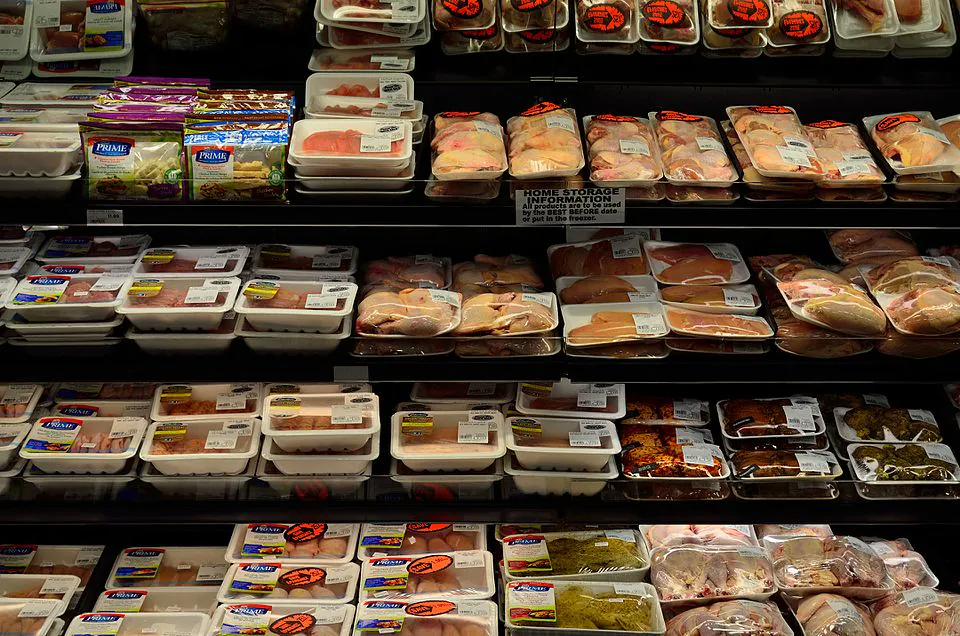
Start with the cooked ounces your meal needs, then work backward through expected trim and cooking loss. A package is useful when its likely cooked servings match your meal plan, not merely when its raw price per pound is low.
Write down five package facts
Record cut or product, raw weight, total package price, bone/skin/trim you expect not to eat, and the cooking method. Shelf price alone cannot tell you cooked pounds or portions.
Separate useful secondary parts from waste
If bones become stock or rendered fat is deliberately used, do not automatically discard their value. Track the main-meat yield and secondary use separately so the package is not credited for scraps that usually go unused.
Choose the meal before the serving size
A sandwich filling, taco spread, pasta component, and plated centerpiece do not require the same cooked ounces. Enter the portion that fits this meal and the sides you will actually serve.
Round to packages and meals
Calculator decimals are planning outputs. Shopping happens in whole packages and household meals. Round the buy to an available package, then state what happens to the remainder: next-day meal, frozen portion, or no purchase.
Stress-test the optimistic package
Run a lower-yield case before choosing a large or bone-heavy package. If the plan only works with almost no trim and minimal shrinkage, choose more weight, reduce the planned portion, or change the cut.
| Shelf observation | Convert it into | Decision use |
|---|---|---|
| $4.99/lb | Total package dollars | Budget cash, not cooked cost |
| 3.2 lb package | Raw ounces before losses | Starting quantity only |
| Bone, skin, heavy trim | Estimated non-edible percentage | First yield adjustment |
| Roast, sear, braise, grind | Expected cooking shrinkage scenario | Second yield adjustment |
| Meal type and sides | Cooked ounces per person | Serving and meal count |
Worked example
A 4-pound package does not equal eight 8-ounce dinners
Planning assumptions: 4.0 raw lb, 10% trim/non-edible share, 25% cooking shrinkage, and 6 cooked oz per serving.
Cooked edible pounds = 4.0 × 0.90 × 0.75 = 2.70 lb. Cooked ounces = 43.2. At 6 oz, that is 7.2 planning servings—not a promise of eight. For four servings per meal, plan one complete meal plus three portions, then decide whether those three are lunches or frozen leftovers.
Run 20% trim and 35% shrinkage as a cautious case: 4.0 × 0.80 × 0.65 = 2.08 cooked lb, or about 5.5 six-ounce servings. If the event needs eight servings, this package is too small under the cautious case.
Planning ranges are editable assumptions, not universal yields or safety tests. Follow the package and current official guidance. Audit the planning method and sources · return to the planning hub.